THE ESTATE

INTRODUCTION

By Tommy Traylen Jnr

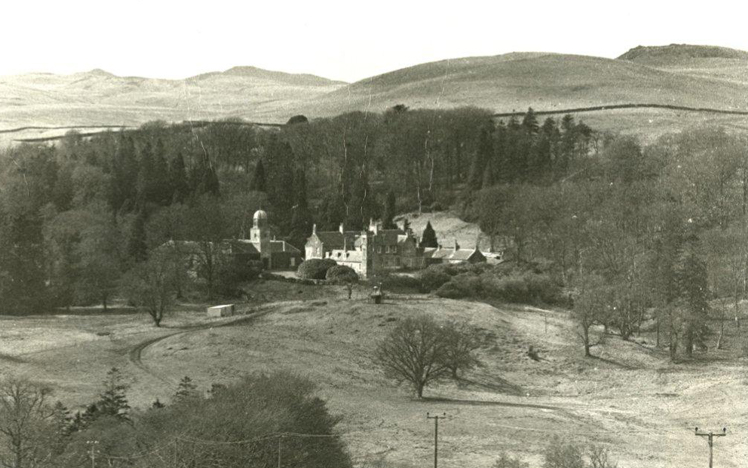
In June 2025, I discovered what, twenty years earlier, Mark Gibson OBE had stumbled upon — the 3,000-acre Craigengillan Estate: a forgotten fold of British history, hidden between East Ayrshire’s rugged hilltops and screened behind years of neglect. The neighbouring village of Dalmellington, once a thriving coal-mining community, was left searching for new purpose after the mines closed a generation ago. Its life and that of Craigengillan are deeply and inseparably intertwined.

Today, after two decades of tireless restoration and care, Craigengillan has been transformed into an award-winning estate. Its vast landscape of native woodland, pasture, wetlands, heaths, and lochs is once again alive. Here, centuries-old stewardship meets modern innovation — an organic sheep farm, renowned riding stables, charming holiday cottages, and sustainable forestry all form part of a living, breathing ecosystem that respects its past while embracing the future.

As I look to the next chapter, my vision for Craigengillan is to honour this legacy while propelling the estate into a new era of innovation and sustainability. I am committed to bringing cutting-edge technology and forward-looking investment to strengthen the estate’s environmental resilience, create meaningful opportunities for the local community, and establish Craigengillan as a beacon of rural innovation.

With a deep respect for the estate’s history and natural beauty, my goal is to fuse tradition with progress — to preserve what makes Craigengillan special while using technology to enhance conservation, education, and connection. Together with those who share this passion, I hope to build upon the foundations laid before me, ensuring that Craigengillan continues to inspire, educate, and thrive for generations to come — a living legacy of nature, history, and human ingenuity.

“To experience Craigengillan is to step into something truly magical.” — Tommy Traylen Jnr
 

OUR PHILOSOPHY

The restoration and preservation of the historic buildings and designed landscape.

The long-term viability of the estate and its part in the wider community

The welfare of the farmed animals.

The conservation and enhancement of habitats and the wild flora and fauna which inhabit them.

To act as a catalyst for the economic and environmental regeneration of the Doon Valley and beyond.

Our ambitious aim is to make Craigengillan a living model of environmental excellence within the
UNESCO Biosphere Reserve and Dark Sky Park.

“… CRAIGENGILLAN CLAD IN SUMMER GREEN ADDS LUSTRE TO THE WILD, ROMANTIC SCENE.

CRAIGENGILLAN VISION PLAN

HISTORY

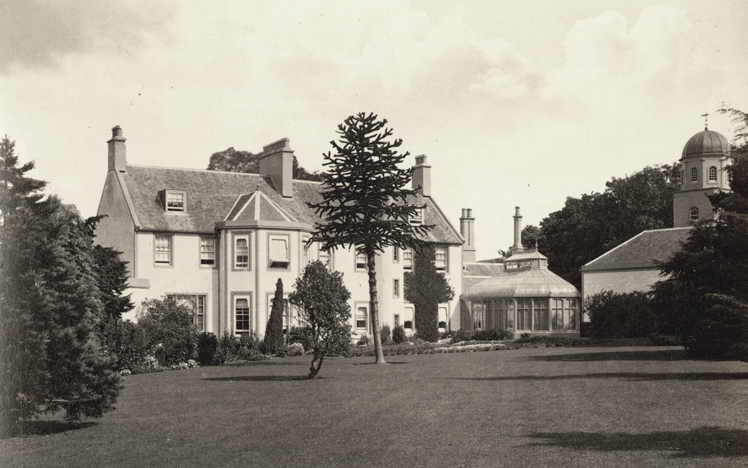
Craigengillan was first established as an estate in with a crown charter in 1611 and remained a seat of the McAdam Family and their descendants for almost 400 years. Craigengillan is a rare example of a complete and unfragmented estate. It includes a Category A listed mansion house and stable court, as well as formal policies and a celebrated Pulham rock and water garden.

In 1757 John McAdam, the great engineer and innovator, took over the estate. He and his cousin, John Loudon McAdam, invented tarmac and became road and bridge builders.

John McAdam was a popular figure in the local community, providing employment and doing much good. A sponsor of the arts, he subscribed to the works of Robert Burns and invited him to stay at Craigengillan in 1786.Burns wrote a poem to McAdam, thanking him for his support.

The McAdams were enthusiastic horse breeders and sportsmen. By 1800, the Category A listed stable block was built. During the Boer War, the estate shipped 40 horses to South Africa, which were employed in the Relief of Mafeking.

In 1905, Jansen of Paris were contracted to remodel and redecorate much of the house interior. Jansen interiors can also be found in Buckingham Palace and the White House.

NOTABLE VISITORS

Kaiser Wilhelm II, Prince Rainer III of Monaco, Somerset Maugham, Prime Ministers Neville Chamberlain and Stanley Baldwin, King Gustav and Queen Helena of Sweden, Lord Halifax former Viceroy of India and Lord Redesdale, father of the Mitford sisters are just some of the guests who have stayed at Craigengillan in the last century.

“I AM NOT SURE I HAVE EVER SEEN A BETTER SPECIMEN OF OUR SOUTHERN HIGHLANDS – I WISH I HAD CRAIGENGILLAN!” – Lord Cockburn 1844

Today, Craigengillan welcomes visitors from all walks of life. Over 100,000 visitors now enjoy the unique beauty of this very special place each year.

“AN AGREEABLE PLACE… THE FIELDS BEING BROUGHT TO A GOOD VERDURE AND THE RISING GROUND PLANTED. WE WERE ENTERTAINED WITH A HEARTY WELCOME” – James Boswell 1762

RESTORATION

IT’S BEEN OUR PRIVILEGE TO BRING THIS WONDERFUL ESTATE BACK TO LIFE

Some places in the world you fall for instantly. Craigengillan is one of them. We found the estate at the turn of the century. The roof leaked, dry rot had set in, the fences and dykes were horizontal. Keep Out signs and barbed wire guarded the houses and bridges. The stable clock was silent.

Since then, we’ve had some good days, some bad days, some highs and some lows. But the motto of the house is ‘Steady, Calm, Forever’. It’s a good one, and we’ve followed it as we’ve worked to put Craigengillan back together.

All of the restoration work we have carried out has been respectful of the estate’s history and location. Where possible, we have sought to use original materials and techniques.

MANSION HOUSE

Reslating and releading the roof. Rebuilding the dormer windows and chimneys. Sanding and oiling age-stained panelling and floors. Restoring the Jansen designed interiors and wall paintings. Installing a biomass heating system, incorporating the original German radiators. Rewiring and
connecting the house to mains water.

“To experience Craigengillan is to step into something truly magical.” — Tommy Traylen Jnr, owner


COTTAGES

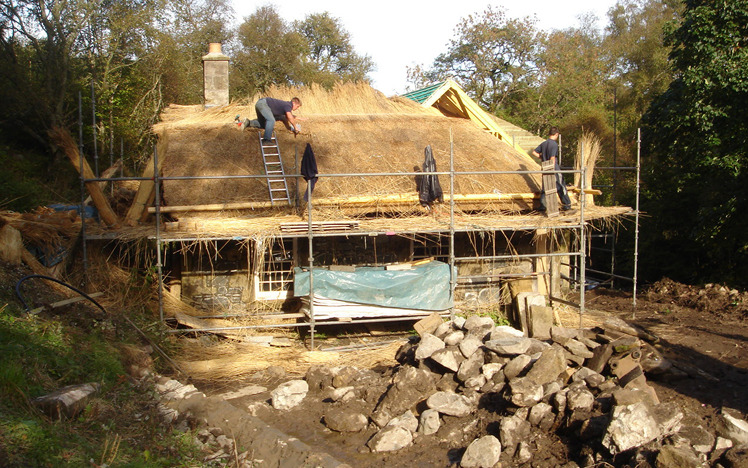
When Mr Gibson OBE first took over the Estate, the two cottages were nothing more than ruins. Stone by stone, Mr Gibson restored them both to mint condition, paying close attention to the period character that is such an essential part of their charm. When Transforming two ruined cottages near the Glessel Burn into exceptional holiday cottages, he used as much of the original stone as possible. One of the cottages has a water reed thatched roof, reflecting the traditional roofing of much of Dalmellington in past centuries.

G&SABio-CharterLogo-Concepts-v1